
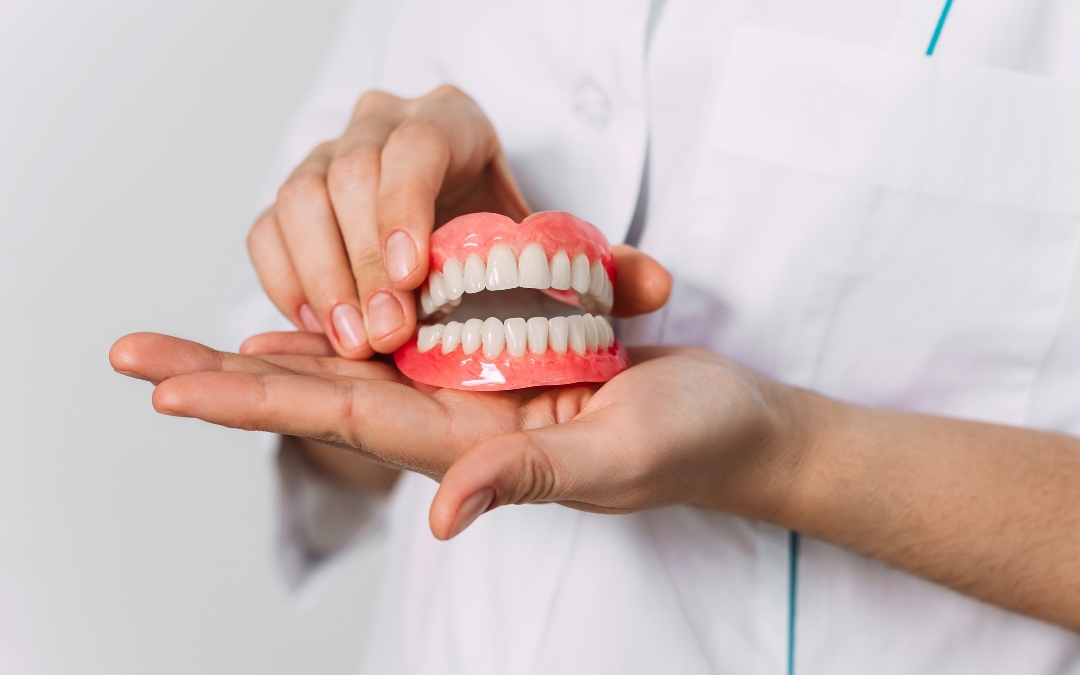
Dentures can make everyday life easier. They help you enjoy meals, speak comfortably, and feel confident when you smile. That is why even a small crack or change in the way your dentures fit can be frustrating. Many people put off getting them checked because the problem does not seem serious at first.
Knowing the signs your dentures need repair can help you deal with problems before they become bigger. Sometimes a simple adjustment or repair is enough. In other situations, replacing the appliance may be a better choice.
6 Signs Your Dentures May Need Repair
Dentures naturally experience wear as you use them. They can also become damaged if they are dropped or handled roughly. Pay attention to changes in their fit, appearance, and comfort.
You Notice a Crack or Break
A visible crack should not be ignored, even if you can still wear the denture. Cracked dentures can become weaker with continued use and may eventually break completely.
If part of your denture has broken off, keep all the pieces and contact your dental office. Do not try to glue them back together yourself. Household adhesives are not made for use inside the mouth and can make professional repair more difficult.
Your Dentures Feel Loose
Dentures that once fit well may start moving when you eat, laugh, or talk. Changes in the gums and jawbone over time can affect the way an appliance sits in your mouth.
A loose denture does not always mean you need a new one. Depending on its condition, an adjustment or reline may improve the fit.
Your Gums Feel Sore
Recurring sore spots, rubbing, or pressure can be signs that your dentures are no longer fitting properly. While some tenderness can occur when new dentures are first being worn, ongoing denture discomfort deserves attention.
Wearing an uncomfortable denture day after day can make meals and conversations less enjoyable. It can also lead you to wear the appliance less often.
A Denture Tooth Has Become Loose
Sometimes the denture base is fine but one of the artificial teeth becomes loose or falls out. This can affect both the appearance of your smile and the way your teeth come together when you chew.
A professional evaluation can determine whether the damaged area can be repaired rather than replacing the entire appliance.
Your Dentures Have Become Difficult to Eat With
Have you started avoiding foods that used to be easy to chew? Do your dentures move when you bite into something?
These changes can indicate that the fit or condition of the appliance needs attention. Difficulty eating is not something you simply have to accept as part of wearing dentures.
Your Dentures Are Several Years Old
There is no exact expiration date that applies to every set of dentures. However, dentures can gradually wear down, while your mouth can change underneath them.
The American Dental Association notes that poor fit, instability, cracks, broken dentures, missing teeth, and chronic irritation are reasons to have dentures professionally evaluated. It also identifies dentures that have been in use for more than five years as a reason to consider whether replacement is appropriate.
When to Repair Dentures vs. Replace Them
So, when to repair dentures rather than replace them?
The answer depends on the extent of the damage and the overall condition of the appliance.
A repair may make sense when there is a small crack, a damaged artificial tooth, or another limited problem and the denture still fits well.
Denture replacement may be worth discussing when the appliance is badly damaged, repeatedly breaking, significantly worn, or no longer fits comfortably. If your mouth has changed considerably since the dentures were made, repairing the appliance may not solve the underlying fit problem.
Your dentist can examine both the dentures and your oral tissues before recommending the most suitable option.
What to Do If Your Dentures Break
If you suddenly have broken dentures, remove them and save every piece. Store them safely until you can have them evaluated.
Avoid bending the appliance or attempting a home repair. Even a repair that appears to work temporarily can change the way the denture fits.
If a broken denture has caused cuts, significant pain, bleeding, or another injury inside your mouth, contact a dental professional promptly.
How to Protect Your Dentures
A little care can reduce unnecessary damage.
- Handle dentures over a towel or a sink filled with water to reduce the risk of breaking them if they slip.
- Clean them regularly using products recommended for dentures.
- Avoid very hot or boiling water, which can affect the shape of some denture materials.
- Keep dentures in an appropriate soaking solution or water when they are not being worn, according to your dentist’s instructions.
- Have your mouth and dentures checked regularly, even when everything seems fine.
For patients looking for a dentist Webster residents can turn to for routine dental care and denture needs, Giangreco Family Dental serves patients in New York and surrounding areas. Regular dental visits can help identify changes in fit or oral health before they become more troublesome.
Don’t Ignore Changes in Your Dentures
A small crack, loose tooth, or uncomfortable fit may seem easy to overlook, but these changes can affect how well your dentures function. Getting them checked early can sometimes mean a straightforward repair instead of dealing with a more serious problem later.
If your dentures no longer feel or function the way they once did, a dental evaluation can help you understand your options. Whether you need a repair, adjustment, or replacement, the right solution starts with finding out what is causing the problem.
Schedule an Appointment with Giangreco Family Dental today!
Frequently Asked Questions
Can all cracked dentures be repaired?
No. Some cracks and breaks can be repaired, while extensive damage may make replacement a better option. A dentist should examine the appliance before you decide what to do.
Can I fix my dentures with super glue?
No. Avoid using super glue or other household adhesives. They are not intended for oral use and may interfere with professional repair.
How do I know if I need new dentures?
Repeated breakage, significant wear, poor fit, ongoing irritation, or difficulty chewing may indicate that replacement should be considered. Your dentist can determine whether repair or replacement makes more sense.
How often should dentures be checked?
There is no single schedule for everyone. Regular dental visits allow your dentist to check your oral tissues, bite, and the condition of your dentures and recommend an evaluation when needed.