
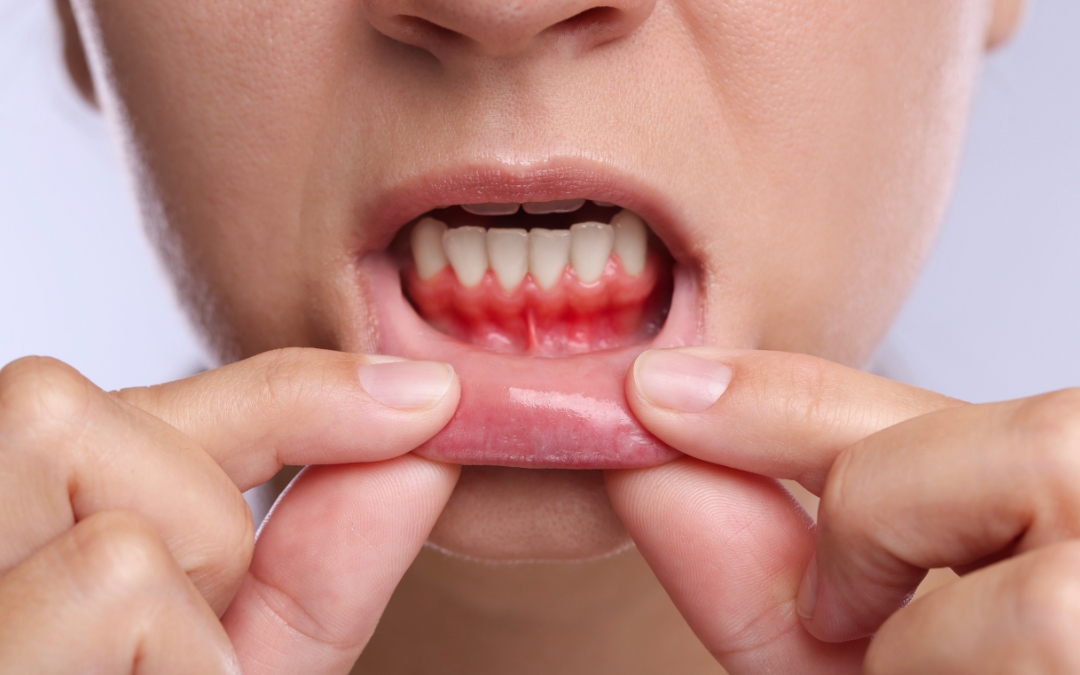
Feeling a sudden release of pressure in your gums followed by an unpleasant taste in your mouth can be alarming. If you notice pus draining from a swollen area near your tooth, you may have a gum abscess that has opened on its own. Although the pain might ease afterward, that does not necessarily mean the infection has gone away.
A gum abscess is a pocket of pus that develops when bacteria cause an infection in the gum tissue or surrounding structures. Sometimes, the pocket bursts and releases fluid into the mouth. This can make the area feel better temporarily, but the underlying infection may still need treatment.
If you experience this problem in Webster, NY, knowing what steps to take can help you avoid further irritation and recognize when you need dental care. If swelling, pain, or drainage concerns you, contacting an emergency dentist Webster patients can turn to for prompt evaluation is a sensible step.
Let’s look at what happens when an abscess pops, how to care for the affected area, and why you should not ignore it even when the discomfort decreases.
What Happens When a Gum Abscess Pops?
A gum abscess forms when bacteria enter the gum tissue and trigger an infection. Your body’s immune response sends white blood cells to the affected area, creating inflammation and a collection of pus.
As pressure builds inside the pocket, the infected area may eventually open and drain on its own. You might notice:
- A sudden salty, bitter, or unpleasant taste.
- Yellowish or whitish fluid coming from the gums.
- A reduction in pressure or throbbing pain.
- A small opening or pimple-like bump near a tooth.
- Continued tenderness or swelling around the affected area.
Does a Popped Abscess Mean the Infection Is Gone?
No. Drainage only releases some of the accumulated pus. It does not necessarily remove the bacteria or address the original cause.
For example, an infection caused by advanced gum disease may still affect the periodontal pocket. An infection originating inside a tooth may continue until the tooth receives appropriate treatment.
That is why a popped abscess still needs professional attention, even if you feel much better afterward.
What to Do When a Gum Abscess Pops
If you are wondering what to do when a gum abscess pops, focus on keeping your mouth clean, avoiding further irritation, and arranging dental care promptly.
Gently Rinse Your Mouth With Warm Salt Water
Mix half a teaspoon of salt into a glass of warm water. Gently move the solution around your mouth and spit it out without forceful swishing.
A saltwater rinse can help clear some of the drainage and food debris from your mouth. However, it does not eliminate the infection.
Avoid using very hot water because the affected gum tissue may already feel sensitive.
Do Not Squeeze or Press the Affected Area
You might feel tempted to press the swollen spot to release more pus. Avoid doing this.
Squeezing can irritate the surrounding tissue and cause additional discomfort. It also does not address the source of the infection.
Let the area drain naturally and leave any further treatment to your dental professional.
Keep the Area Clean
Continue brushing your teeth with a soft-bristled toothbrush. Be gentle around the affected gum and avoid scrubbing directly over the opening.
You can also floss the surrounding teeth carefully if doing so does not cause pain or bleeding.
Good oral hygiene helps limit additional bacterial buildup while you arrange treatment.
Eat Soft Foods and Stay Hydrated
Chewing can irritate an already swollen or tender gum. Choose foods that require little pressure, such as:
- Yogurt
- Mashed potatoes
- Scrambled eggs
- Soft-cooked vegetables
- Lukewarm soup
- Oatmeal
Avoid crunchy snacks, hard foods, and very hot or spicy meals until a dental professional evaluates the area.
Drink enough water throughout the day and avoid smoking, which can interfere with oral tissue healing.
Manage Discomfort Safely
If the area remains painful, an over-the-counter pain reliever may help. Follow the package directions and check with a healthcare professional if you have existing medical conditions or take medications that could interact.
Do not place aspirin directly against your gums. It can cause chemical irritation and damage the tissue.
Most importantly, do not use leftover antibiotics or someone else’s prescription. A dental professional must determine whether antibiotics are appropriate and what treatment will address the source.
Signs of a Gum Abscess You Should Not Ignore
A gum abscess does not always cause severe pain. Sometimes, the first noticeable symptom is a small bump that releases pus.
Other signs may include:
- Red, swollen, or tender gums.
- A pimple-like spot near the tooth.
- Persistent bad breath.
- An unpleasant taste caused by drainage.
- Pain when chewing or touching the affected area.
- Gum tissue that feels warm or swollen.
- Fever or swollen lymph nodes in more advanced infections.
When Does a Gum Abscess Become an Emergency?
Certain symptoms suggest that an infection may be spreading beyond the original area.
Seek urgent dental or medical care if you develop fever, increasing facial swelling, worsening pain, or swelling that spreads toward your jaw or neck.
Difficulty breathing or swallowing, rapidly spreading swelling, or significant swelling around the eye requires emergency medical attention.
Do not wait for the abscess to drain again before seeking help.
How to Care for a Popped Gum Abscess During Healing
Understanding healing after a gum abscess drains can help you avoid mistakes during recovery.
The opening may gradually become smaller as the surrounding tissue repairs itself. However, the visible improvement does not confirm that the infection has cleared.
Your dentist may recommend different treatments depending on the source of the abscess.
Professional Cleaning and Drainage
If the infection involves a periodontal pocket, your dentist may recommend professional cleaning to remove bacteria and debris from beneath the gumline. Additional treatment may be necessary if the infection has affected deeper periodontal tissues.
Root Canal Treatment
If bacteria have spread from inside a tooth, root canal treatment may help remove infected tissue and preserve the natural tooth when possible.
Tooth Extraction
When a tooth has extensive damage and cannot be saved, extraction may be necessary to remove the source of infection.
Periodontal Treatment
A periodontal abscess may develop in the deeper spaces between the teeth and gums, particularly in areas affected by gum disease. Treatment focuses on controlling the infection and addressing the underlying periodontal condition.
Final Thoughts
A gum abscess that pops may bring temporary relief, but the infection behind it can remain active. Gentle rinsing, careful brushing, and avoiding pressure on the affected area can help protect your gums while you arrange professional care.
The most important step is identifying and treating the source of the infection. Whether the problem comes from periodontal disease or an infected tooth, early attention can help prevent further complications.
If you are experiencing gum swelling, pus drainage, or recurring discomfort in Webster, NY, Giangreco Family Dental can help evaluate the problem and discuss suitable treatment options. Schedule an appointment today.
Frequently Asked Questions
Is it normal for pus to come out of a gum abscess?
Yes, an abscess may release pus when it opens naturally. The fluid may look white, yellow, or slightly greenish and often has an unpleasant taste. However, drainage does not mean the infection has cleared. You still need a dental evaluation.
Can a gum abscess heal on its own after it pops?
The opening may close as the gum tissue repairs itself, but the underlying infection can remain. Without proper treatment, the abscess may return or cause further damage to the surrounding tissues.
How long does it take to heal after a gum abscess drains?
The visible opening may begin to close over several days, depending on the severity of the infection and the treatment provided. Complete recovery depends on whether the source of infection has been addressed.
Should I brush my teeth after a gum abscess pops?
Yes. Continue brushing with a soft-bristled toothbrush, but avoid putting pressure on the affected area. Gentle cleaning helps maintain oral hygiene without irritating the healing tissue.
Can a gum abscess spread to other parts of the body?
Yes. An untreated dental infection can spread into nearby tissues and, in serious cases, other parts of the body. Facial swelling, fever, difficulty swallowing, or breathing problems require urgent attention.