
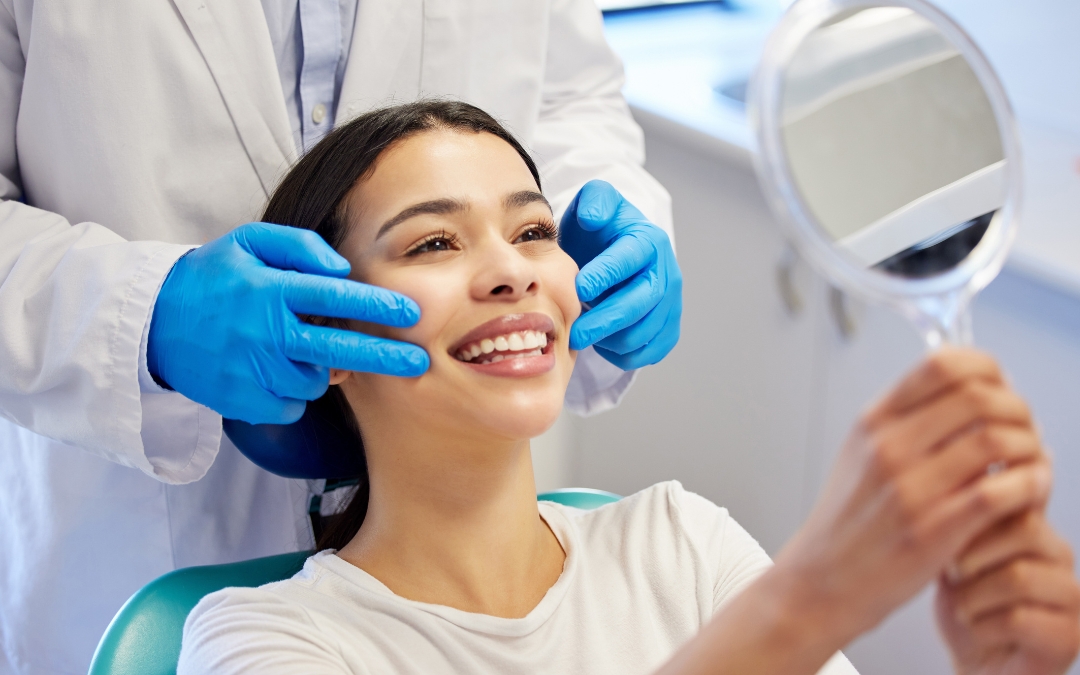
A smile can change the way your entire face looks, but the lines that appear around your mouth may sometimes make you feel less confident about it. You might notice creases when laughing, fine lines above your upper lip, or wrinkles that remain visible even after your expression relaxes. These changes are a natural part of aging, but they can make some people curious about cosmetic treatment options.
Cosmetic dentistry for Botox is an area where dental and facial aesthetics can overlap. Botox may help relax specific facial muscles responsible for certain expression lines, including some wrinkles around the mouth. However, its use requires careful planning, knowledge of facial anatomy, and an understanding of professional regulations.
For patients exploring cosmetic dental care in Webster, NY, it is helpful to understand how Botox works, what it can address, and where its limitations lie. If you are considering treatment, a conversation with a qualified provider can help you understand which options suit your needs.
What Is the Connection Between Cosmetic Dentistry and Botox?
Cosmetic dentistry traditionally focuses on improving the appearance of teeth and smiles through treatments such as veneers, teeth whitening, bonding, and restorative procedures. Botox works differently because it targets the muscles that create certain facial expressions.
The two approaches can complement each other when treatment planning involves both dental structures and the surrounding facial muscles. For example, a patient receiving treatment for a dental or jaw-related concern may also benefit from an appropriate muscle-relaxing treatment when clinically indicated.
Patients searching for a cosmetic dentist Webster should understand that facial injections involve more than appearance alone. A provider must consider the patient’s dental health, facial anatomy, medical history, and applicable New York regulations before recommending treatment.
In New York, the State Education Department explains that dentists may use botulinum toxin and dermal fillers in the oral and maxillofacial area when the treatment relates to restoring and maintaining dental health and the dentist has appropriate training. Standalone cosmetic facial injections without related dental reconstructive treatment fall outside the stated dental scope of practice.
How Does Botox Smooth Smile Lines?
Botox contains botulinum toxin type A, which temporarily reduces activity in selected muscles. It works by blocking signals between nerves and muscles, preventing the targeted muscles from contracting as strongly.
When certain muscles around the mouth repeatedly contract during smiling, pursing the lips, or other facial movements, they can create visible expression lines.
Understanding Different Types of Smile Lines
Not every wrinkle around the mouth develops for the same reason.
- Dynamic wrinkles: These appear when facial muscles contract, such as when smiling or pursing the lips.
- Static wrinkles: These remain visible even when your face is relaxed. Skin aging, collagen loss, and sun exposure can contribute to them.
- Nasolabial folds: These are the creases running from the sides of the nose toward the corners of the mouth.
Botox may soften selected dynamic wrinkles, but it does not restore lost facial volume or completely remove deeper static folds.
How Targeted Muscle Relaxation Works
A qualified medical provider evaluates facial movements and identifies the muscles responsible for the lines being treated. Small amounts of botulinum toxin may then be injected into selected muscles when appropriate.
The goal is to reduce excessive muscle movement without eliminating natural facial expressions. Treatment around the mouth requires particular care because these muscles also help with speaking, eating, drinking, and smiling.
Can Botox for Smile Lines Treat Wrinkles Around the Mouth?
Botox for smile lines may help soften certain expression-related wrinkles, but the results depend on where the lines appear and what causes them.
For example, some lines around the lips develop from repeated muscle movement. Others result from reduced skin elasticity or changes in facial volume. Botox may help with the first type but generally cannot correct the second.
A treatment assessment should distinguish between muscle-related wrinkles and changes that need a different approach. Depending on the concern, a provider may discuss other options, including skincare treatments, dermal fillers, or appropriate cosmetic dental procedures.
What Are the Benefits of Botox for Facial Aesthetics?
When used appropriately, botulinum toxin treatment can offer several benefits:
- Softens expression lines: Reducing selected muscle activity can make certain wrinkles less noticeable.
- Supports a balanced appearance: Carefully planned treatment may help address muscle-related asymmetry.
- Requires little recovery time: Most patients return to regular daily activities shortly after treatment.
- Produces temporary results: The effects gradually wear off, allowing the treatment plan to be reassessed.
Results commonly begin to appear within three to seven days, with improvements often lasting around three to four months. Individual results vary depending on the treatment area, product, and patient.
What Should You Expect Before and After Botox Treatment?
Understanding the treatment process can help you make a more informed decision.
Before Treatment
A qualified provider should review your medical history, current medications, allergies, and treatment goals. They should also examine your facial movements and determine whether the lines around your mouth are related to muscle activity.
Be sure to discuss:
- Any previous Botox or injectable treatments.
- Existing muscle or nerve-related conditions.
- Pregnancy or breastfeeding.
- Medications and supplements you currently take.
- Previous reactions to injectable products.
Botox may not be appropriate for everyone. Your provider should explain the possible risks and expected results before proceeding.
After Treatment
Most people experience little downtime, although temporary redness, swelling, tenderness, or bruising may occur around the injection sites.
Your provider may recommend avoiding rubbing or massaging the treated area and postponing strenuous physical activity for a short period. Follow the specific aftercare instructions you receive.
Contact your provider if you experience unusual weakness, difficulty swallowing, or difficulty breathing after treatment. These symptoms require immediate medical attention.
Is Botox Suitable for Everyone With Smile Lines?
No. Botox works best for wrinkles caused by repeated muscle movement. It may not provide the desired improvement for deep folds caused by skin laxity or lost facial volume.
Your treatment options depend on several factors:
- Your age and skin condition.
- The depth and location of the wrinkles.
- Your facial muscle activity.
- Your medical history.
- Your expectations for the results.
It is also important to remember that Botox is not a replacement for dental treatment. If your concerns involve worn teeth, an uneven bite, or changes in your smile caused by missing teeth, cosmetic or restorative dental care may address the underlying issue more effectively.
How Can You Maintain a Natural-Looking Smile?
You do not need injectable treatments to support healthy facial and oral aesthetics. A few everyday habits can help maintain the appearance of your smile and surrounding skin.
- Brush twice daily with fluoride toothpaste.
- Floss every day to maintain healthy gums.
- Wear sunscreen to help limit sun-related skin damage.
- Avoid smoking, which can contribute to premature skin aging.
- Maintain regular dental visits.
- Discuss changes in your bite, jaw comfort, or smile with your dental provider.
Explore Cosmetic Dental Options at Giangreco Family Dental
A natural-looking smile involves more than straight, bright teeth. The surrounding facial muscles, lips, and overall oral health also influence how your smile looks and feels.
Botox may help soften certain expression lines, but choosing the right treatment starts with understanding what causes those lines. For patients in Webster, NY, Giangreco Family Dental can help address cosmetic dental concerns and discuss suitable options for improving your smile.
If you are considering changes to your smile or have questions about cosmetic dental treatments, contact us now to discuss your goals and schedule an appointment.
Frequently Asked Questions
Does Botox completely remove smile lines?
No. Botox temporarily relaxes selected facial muscles, which can soften wrinkles caused by repeated expressions. It does not remove every type of wrinkle, especially deep folds caused by volume loss or skin changes.
How long does Botox for wrinkles around the mouth last?
Results commonly last around three to four months, although some people experience shorter or longer effects. Your provider can help determine when another assessment may be appropriate.
Does Botox affect your ability to smile naturally?
When administered appropriately, treatment aims to preserve natural facial expressions. However, injections around the mouth require precision because the muscles also support everyday activities such as speaking, drinking, and eating.
Is Botox the same as dermal filler?
No. Botox temporarily relaxes selected muscles, while dermal fillers add volume beneath the skin. Providers may recommend different treatments depending on whether wrinkles result from muscle movement or volume loss.