
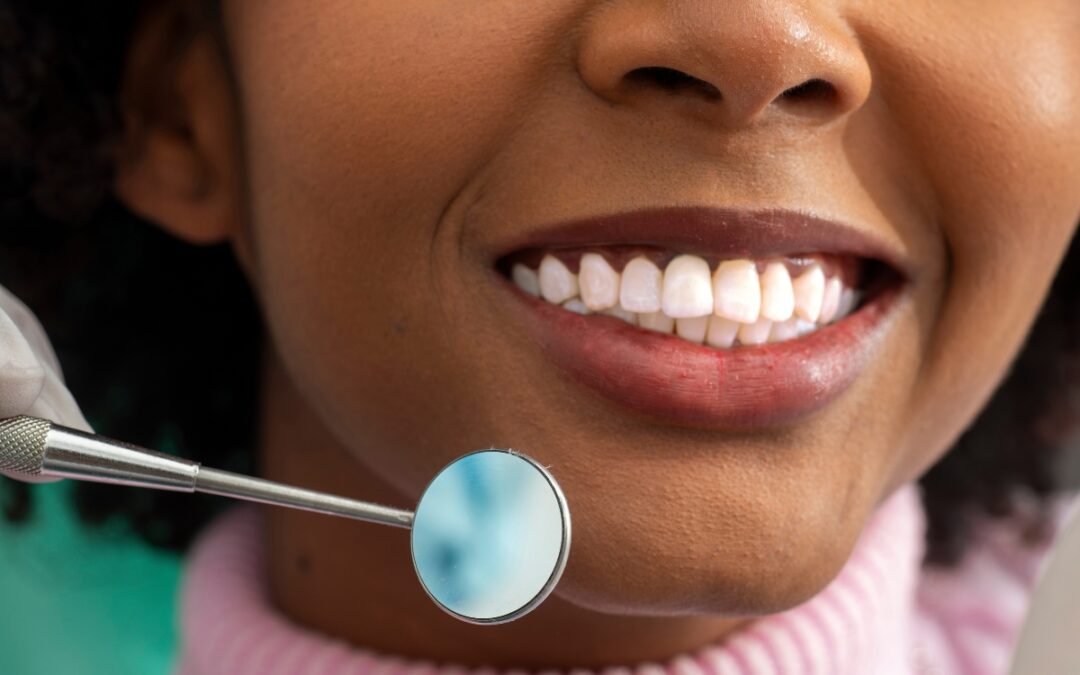
A whiter smile can make you feel more comfortable in photos, at social gatherings, and during everyday conversations. With whitening strips, gels, and toothpastes available at almost every drugstore, getting brighter teeth at home may seem easy. The problem starts when you keep whitening your teeth, hoping to achieve an even lighter shade. Over-whitening teeth can cause sensitivity, gum irritation, and uneven results that may leave you wondering whether the extra effort was worth it.
If you enjoy using whitening products, understanding their limits can help you protect your smile. For people in Webster, NY, knowing when to stop whitening and when to seek dental advice can make a real difference in maintaining healthy teeth.
What Does It Mean to Over-Whiten Your Teeth?
Over-whitening occurs when you use whitening products more often, for longer periods, or at higher concentrations than recommended. It may also happen when you combine multiple whitening treatments without giving your teeth and gums time to recover.
Most whitening products contain peroxide, which helps break down stains and lighten tooth color. When used according to instructions, these products can improve the appearance of discolored teeth. However, using more product does not necessarily produce better results.
Your natural tooth color also depends on factors such as enamel thickness, dentin color, age, and the type of stains present. Once your teeth reach their natural whitening potential, repeated treatments may cause discomfort without making much difference to their appearance.
Common Side Effects of Teeth Whitening
The side effects of teeth whitening vary depending on the product, how you use it, and the condition of your teeth before treatment.
Tooth Sensitivity
One of the most noticeable problems is tooth sensitivity after whitening. You might feel a sudden twinge when drinking cold water, eating ice cream, or breathing in chilly air.
Whitening ingredients can temporarily increase sensitivity in some people. Repeated applications may make the discomfort more noticeable, especially if you already have sensitive teeth, worn enamel, cavities, or exposed tooth roots.
What should you do? Stop whitening until the sensitivity settles. A toothpaste designed for sensitive teeth may help, but persistent or worsening discomfort deserves a dental examination.
Irritated or Sore Gums
Whitening gel can irritate your gums when it spills beyond the teeth or remains in contact with soft tissue for too long. You may notice redness, tenderness, or temporary white patches around the treated area.
If your gums become sore, discontinue the product and allow the tissue to recover. Check that you are following the instructions carefully before considering another whitening treatment. If irritation continues, contact your dentist.
Uneven Tooth Color
Have you ever noticed that some teeth look brighter than others after whitening? This can happen because different types of discoloration respond differently to treatment.
Over-bleached teeth may also look unnaturally bright or chalky. Existing crowns, veneers, and fillings will not whiten like natural teeth, which can make differences in color more noticeable.
Using more whitening gel will not necessarily correct the problem. A dentist can help determine why your teeth look uneven and discuss appropriate options.
Concerns About Enamel Damage
Enamel protects the inner structures of your teeth, so it is understandable to worry about enamel damage from teeth whitening.
Approved whitening products are generally considered safe when used correctly. However, excessive use, inappropriate concentrations, and poorly regulated products can increase the risk of irritation and other unwanted effects. Some formulations may also affect enamel properties under certain conditions.
Because enamel cannot naturally grow back after permanent loss, avoid experimenting with stronger products or extending treatment times.
Can Over-Whitening Cause Broken Tooth Pain?
Whitening can cause temporary sensitivity, but sharp pain in one particular tooth should not automatically be blamed on the whitening product.
Broken tooth pain may indicate a crack, untreated cavity, damaged filling, or another dental problem. Whitening may make an existing issue more noticeable, especially when the affected tooth already has exposed or irritated inner tissues.
If you experience pain when biting, discomfort that continues after you stop whitening, or a tooth that feels cracked, arrange a dental examination promptly. Avoid chewing on the affected side until you receive advice. Facial swelling, fever, or severe worsening pain requires urgent dental attention.
How to Whiten Your Teeth More Safely
You can work toward a brighter smile without repeatedly exposing your teeth to whitening products.
Follow the Recommended Instructions
Use strips, gels, and whitening trays according to their directions. Leaving products on longer or applying them more frequently will not guarantee faster results. Avoid combining different treatments unless your dentist recommends doing so.
Understand What Is Causing the Stains
Coffee, tea, and certain foods can contribute to surface stains. Aging, medications, and changes within the tooth can cause other types of discoloration. Identifying the cause helps you choose a suitable treatment instead of repeatedly whitening teeth that may not respond as expected.
Pay Attention to Discomfort
Do not ignore sensitivity simply because you want faster results. Pause whitening if your teeth or gums become uncomfortable. If symptoms persist or interfere with eating and drinking, seek professional advice.
Get Your Teeth Checked First
A dental checkup can help identify cavities, cracks, gum problems, and existing restorations before you begin whitening. If you live in Webster, NY, consulting a cosmetic dentist Webster can help you understand your whitening options and choose an approach suited to your smile.
Keep Your Smile Bright Without Overdoing It
Whitening should improve your confidence, not leave you dealing with sore gums or painful teeth. Paying attention to sensitivity, following product instructions, and avoiding unnecessary treatments can help you maintain a comfortable, natural-looking smile.
If you have questions about whitening or notice changes in your teeth, Giangreco Family Dental can help you understand the available options and decide what makes sense for your oral health.
Schedule an appointment to discuss your concerns and find a suitable approach to teeth whitening.
Frequently Asked Questions
Can over-whitening permanently damage teeth?
Excessive or inappropriate whitening may adversely affect oral tissues and, depending on the product and exposure, enamel properties. Permanent enamel loss cannot be reversed, so always follow recommended instructions.
How long does tooth sensitivity after whitening last?
Mild sensitivity often improves within a few days after stopping treatment. If it persists, becomes severe, or affects your daily routine, contact your dentist to check for an underlying problem.
Should I whiten my teeth if they already hurt?
No. Have the cause of the pain evaluated before starting whitening. Cavities, cracks, gum recession, and other dental concerns can make whitening uncomfortable.
Can I whiten my teeth every day?
Some products allow daily use for a limited period, while others follow different schedules. Follow the specific product directions rather than creating your own routine, and stop if irritation or sensitivity develops.