
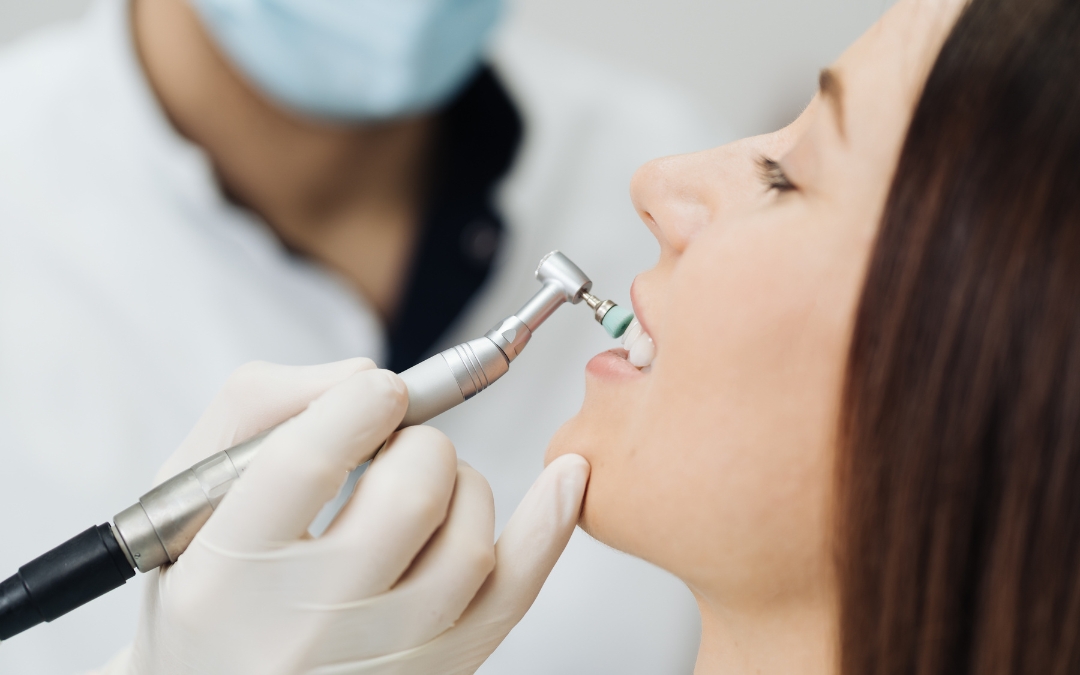
If you’ve ever winced during a dental cleaning, you’re not alone. Many patients in Webster, NY wonder exactly why dental cleanings hurt and how we stop it — and the answer is more reassuring than you might expect. Sensitivity during cleanings is common, explainable, and very manageable. At Giangreco Family Dental, Dr. Lawrence Giangreco and our hygiene team work hard to make every visit as comfortable as possible.
Why Do Dental Cleanings Cause Sensitivity in the First Place?
Sensitivity during a dental cleaning usually comes from a few specific causes. Understanding them helps you feel less anxious before your appointment. It also helps you communicate with your hygienist so they can adjust their technique.
The most common reasons for discomfort include:
- Gum inflammation: Inflamed gums have more blood vessels near the surface, making them tender to the touch.
- Tartar buildup: Hardened tartar requires more pressure to remove, which can irritate surrounding tissues.
- Exposed tooth roots: Gum recession leaves sensitive root surfaces unprotected.
- Thin enamel: Enamel that has worn down over time leaves nerves closer to the surface.
- Infrequent visits: Longer gaps between cleanings mean more buildup and more sensitive gums overall.
None of these causes are permanent problems. Most improve significantly with regular professional care. That’s one big reason routine checkups matter so much for your long-term comfort.
What Our Webster Hygienists Do to Minimize Discomfort
Our hygienists at Giangreco Family Dental use several proven techniques to reduce sensitivity during every cleaning. The goal is always a thorough clean without unnecessary discomfort. Your hygienist will check in with you throughout the process.
Here’s what you can expect from our approach:
- Gentle scaling tools: We use ultrasonic scalers that use vibration and water to break up tartar with less manual pressure.
- Topical numbing gel: For patients with significant sensitivity, we apply a numbing gel to gum tissue before scaling begins.
- Adjusted water temperature: Cold water can trigger sharp sensitivity in exposed roots, so we adjust temperature as needed.
- Frequent breaks: We pause regularly so you can close your mouth, swallow, and reset.
- Open communication: We encourage you to raise your hand any time you feel sharp discomfort.
These steps make a real difference. Many patients who feared their appointment leave feeling relieved. Our team genuinely cares about your experience, not just the clinical outcome.
When Sensitivity After a Cleaning Is Normal — and When It’s Not
Some mild soreness after a cleaning is completely normal. Your gums may feel tender for a day or two, especially if it’s been a while since your last visit. Over-the-counter pain relievers and a soft diet usually handle this easily.
However, sharp pain that lingers beyond 48 hours deserves attention. Sudden sensitivity to hot or cold after a cleaning can sometimes indicate an underlying issue. This might include a cracked tooth, a cavity near the gum line, or advanced gum disease.
In those situations, Dr. Giangreco may recommend additional treatment. Options can range from a desensitizing fluoride treatment to restorative care. If you’re experiencing sudden tooth pain in Webster, our emergency dentistry services are available to help you get relief quickly.
Don’t ignore persistent discomfort. Early intervention almost always means simpler, less invasive treatment.
How to Prepare for a More Comfortable Cleaning
You have more control over your cleaning experience than you might realize. A few simple habits before your appointment can significantly reduce sensitivity. These habits also improve your overall oral health between visits.
Try the following before your next cleaning:
- Use a sensitivity toothpaste: Start using it two weeks before your appointment for best results.
- Brush and floss consistently: Healthy gums are less inflamed and less sensitive during cleaning.
- Avoid acidic foods the day before: Acidic foods temporarily weaken enamel and increase nerve sensitivity.
- Tell your hygienist about your concerns: Mentioning sensitivity upfront lets them prepare the right tools and products.
- Schedule regular visits: Six-month appointments mean less buildup and a gentler experience every time.
Building a consistent routine pays off quickly. Patients who visit every six months almost always report less discomfort over time. Your teeth and gums adapt to regular professional care.
Anxious About Your Cleaning? Here’s What to Know
Dental anxiety is real, and sensitivity during cleanings can make it worse. Many Webster patients put off appointments because they expect pain. That delay often creates a cycle — longer gaps mean more buildup and a harder cleaning next time.
At Giangreco Family Dental, we take anxiety seriously. Dr. Giangreco and the team are trained to recognize stress and respond with patience. We never rush through appointments, and we always explain each step before we begin.
If anxiety is a significant barrier for you, talk to us before your visit. We can discuss options like nitrous oxide sedation to help you relax. A calm patient actually makes for a smoother, faster cleaning for everyone involved.
Comfortable Cleanings Start with the Right Team
Understanding why dental cleanings hurt and how we stop it in Webster is the first step toward a better experience. Sensitivity has real causes, and our team has real solutions. From specialized tools to open communication, every part of our process is designed with your comfort in mind.
Dr. Lawrence Giangreco and the Giangreco Family Dental team are proud to serve families across Webster, NY with gentle, thorough dental care. You deserve a cleaning that leaves your mouth healthy without leaving you dreading the next visit. Contact now to schedule your appointment with our team.
Frequently Asked Questions
Why do my gums bleed during a dental cleaning?
Bleeding gums during a cleaning usually indicate gum inflammation, often caused by plaque buildup along the gum line. This is called gingivitis, and it is very common. With regular cleanings and improved home care, gum bleeding typically decreases significantly over time.
Is it normal for teeth to feel sensitive after a cleaning?
Mild sensitivity for one to two days after a cleaning is completely normal. Your gum tissue may be slightly irritated from the scaling process. If sensitivity is sharp or lasts longer than 48 hours, visit Giangreco Family Dental so our dentists can evaluate the cause.
Can I ask my hygienist to stop if I’m in pain?
Absolutely. You should always feel empowered to raise your hand or say stop at any point during your cleaning. Our hygienists welcome this feedback and will adjust their technique, take a break, or apply numbing gel as needed. Your comfort is always the priority.
How often should I get a dental cleaning in Webster?
Most adults benefit from a professional cleaning every six months. However, patients with gum disease or a history of heavy tartar buildup may need cleanings every three to four months. Dr. Giangreco will recommend the schedule that best fits your specific oral health needs.
Does using a sensitivity toothpaste actually help before a cleaning?
Yes, sensitivity toothpastes containing potassium nitrate or stannous fluoride can help calm nerve responses in the teeth. Using one consistently for at least two weeks before your appointment can noticeably reduce discomfort during scaling. Ask your hygienist which formula they recommend for your situation.