
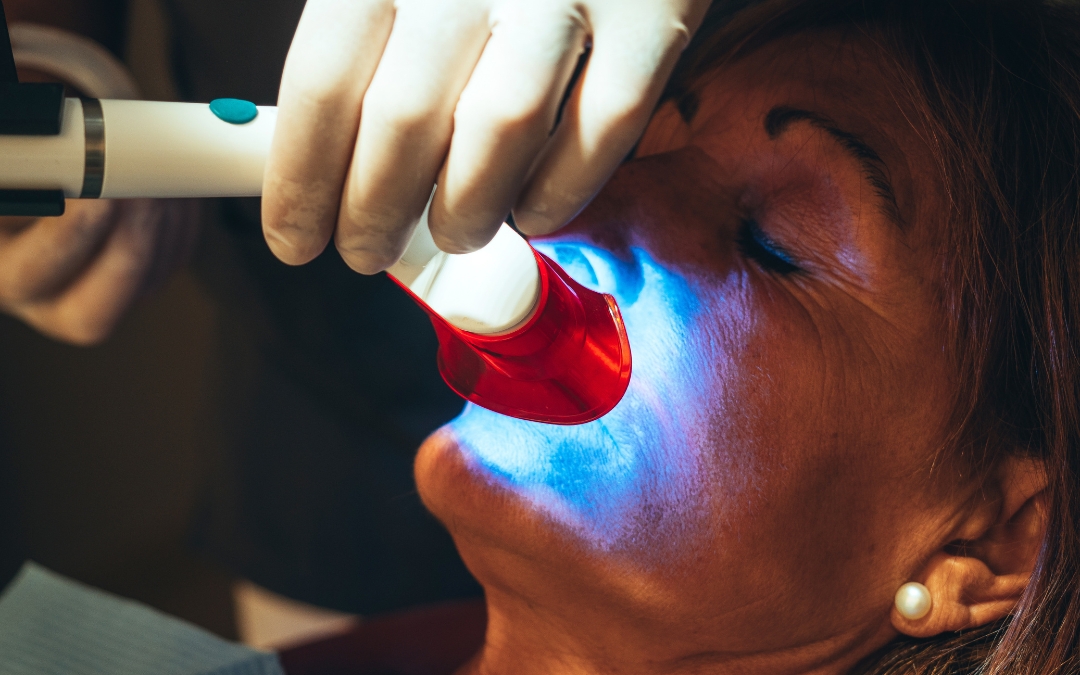
Teeth whitening is a simple and popular way to make your smile look brighter. However, some people notice gum irritation after using whitening strips, gels, trays, or other bleaching products. The gums may feel sore, tingly, or as though they are burning. In some cases, they may also look red or develop temporary white patches.
The good news is that mild irritation often improves once the whitening product is removed and the gums are given time to recover. Still, it is important to understand why the irritation happens and what you can do to prevent it from happening again.
Why Do Gums Burn After Teeth Whitening?
Most whitening products use hydrogen peroxide or carbamide peroxide to break down stains on the teeth. These ingredients are effective when used correctly, but they can irritate the soft tissues of the mouth when they come into direct contact with the gums.
This can happen when too much whitening gel is used, a tray does not fit properly, or the product stays on longer than recommended. Using whitening treatments too often may also increase the chance of irritation.
People who already have sensitive or irritated gums may be more likely to experience discomfort. If you have had this problem before, talking with a cosmetic dentist in Webster before trying another whitening treatment can help you choose a more suitable approach.
What Are the Signs of Gum Irritation?
Whitening-related irritation does not look the same for everyone. You may notice one or several of the following symptoms:
- Red or swollen gums
- Burning or stinging
- Gum tenderness
- Temporary white patches
- Increased sensitivity around the gumline
- Discomfort when eating or brushing
Mild symptoms may disappear on their own after the whitening treatment is stopped. However, ongoing pain, swelling, sores, or other unusual changes should be checked by a dentist.
What Can You Do for Burning Gums After Whitening?
If your gums feel irritated after whitening, the first step is to stop using the whitening product. Continuing treatment can expose already irritated tissue to more peroxide and make the discomfort worse.
Rinse With Mild Salt Water
A gentle salt-water rinse may help keep the mouth clean while the gums recover. Mix a small amount of salt with warm water and rinse gently. Avoid using an overly concentrated solution, as it may cause additional irritation.
Give Your Gums a Break
Do not restart whitening until your gums feel normal and the irritation has completely settled. Your mouth needs time to recover before being exposed to another whitening product.
Avoid Foods That Irritate Your Gums
Spicy, acidic, or very hot foods and drinks may make irritated gums feel worse. For a few days, choose foods that are mild and comfortable to eat. Drinking plenty of water can also help keep your mouth comfortable.
Brush Gently
Good oral hygiene is still important while your gums heal. Use a soft-bristled toothbrush and gentle movements rather than scrubbing the irritated areas. Continue cleaning between your teeth carefully as well.
Ask About Pain Relief
If the discomfort is significant, talk with your dentist or healthcare provider about suitable over-the-counter pain-relief options. They can consider your individual circumstances before recommending a medication.
When Should You See a Dentist?
Minor irritation may improve after you stop whitening. However, you should contact your dentist if the discomfort is severe, keeps getting worse, or does not begin to improve.
Professional evaluation is especially important if you experience:
- Severe or persistent gum pain
- Significant swelling
- Unusual bleeding
- Sores or damaged areas
- White patches that do not disappear
- Difficulty eating because of discomfort
- Repeated irritation after whitening
These symptoms may not always be caused by whitening, so an examination can help identify the actual cause.
How Can You Prevent Burning Gums During Whitening?
A few simple precautions can make future whitening treatments more comfortable.
Follow the Instructions
Using more whitening gel or leaving it on longer will not necessarily produce better results. Always follow the directions provided with the product or the recommendations given by your dentist.
Use Properly Fitted Trays
Generic trays may allow whitening gel to spread onto the gums. Custom-fitted trays are designed to fit your mouth more closely, which can help limit unnecessary contact with the soft tissues.
Consider Professional Whitening
Professional treatment allows your dentist to examine your teeth and gums before whitening. Protective measures can also be used to reduce contact between the whitening material and your gums.
Avoid Over-Whitening
Whitening your teeth too frequently can contribute to irritation and sensitivity. Instead of repeatedly using whitening products, follow a treatment schedule recommended for your individual needs.
Maintain Good Oral Hygiene
Regular brushing, flossing, and professional cleanings can help control plaque and surface stains. A healthy mouth may also reduce the need for frequent cosmetic treatments.
Is Professional Whitening Better for Sensitive Gums?
Professional whitening can provide greater control over how the whitening material is applied. Your dentist can evaluate your gums, select an appropriate treatment, and take steps to limit exposure of the soft tissues.
If you have experienced burning after an at-home whitening treatment, mention it before starting another treatment. Your dentist may recommend a different product, application method, or treatment schedule.
At Giangreco Family Dental, patients can discuss their smile goals and concerns before choosing a cosmetic treatment. A personalized evaluation can help determine whether whitening is appropriate and how to approach it safely.
Tips for Maintaining a Brighter Smile
Once your gums have recovered and your whitening treatment is complete, everyday habits can help maintain your results.
- Brush twice daily with fluoride toothpaste.
- Clean between your teeth every day.
- Drink plenty of water.
- Limit frequent consumption of coffee and tea if they contribute to staining.
- Avoid tobacco products.
- Schedule regular dental cleanings and checkups.
- Follow your dentist’s recommendations for maintaining your whitening results.
Protect Your Gums While Brightening Your Smile
Burning gums after teeth whitening can be uncomfortable, but mild irritation often improves when the whitening product is discontinued and the gums are allowed to recover. Avoid additional irritants, maintain gentle oral hygiene, and seek professional advice if symptoms persist.
A brighter smile should always be balanced with healthy gums. Choosing the right whitening method and following appropriate instructions can help you achieve your cosmetic goals without unnecessarily irritating your oral tissues.
If you have concerns about whitening-related gum irritation or want to explore your options for a brighter smile, schedule an appointment with Giangreco Family Dental today.
Frequently Asked Questions
How long does gum burning from teeth whitening last?
Mild irritation often improves after you stop using the whitening product. The recovery time depends on how irritated the tissue is. If symptoms continue or become worse, contact your dentist.
Why do my gums turn white after whitening?
Whitening gel that touches the gums can temporarily irritate the tissue and cause white areas. These changes often resolve as the gums recover. Persistent discoloration should be evaluated by a dentist.
Should I keep whitening if my gums hurt?
No. Stop the treatment and allow your gums to recover. Continuing to whiten while your gums are irritated can make the problem worse.
Can whitening strips irritate your gums?
Yes. Whitening strips can irritate the gums when the bleaching material extends onto the soft tissues or is used incorrectly. Following the instructions carefully can help reduce the risk.
How can I prevent gum irritation from whitening?
Use the recommended amount of product, follow treatment times carefully, avoid excessive whitening, and consider professionally fitted trays. A dental evaluation before treatment can also help identify potential concerns.
Can I whiten my teeth again after my gums heal?
In many cases, whitening can be resumed after the gums have fully recovered. However, if you previously experienced significant irritation, speak with your dentist before beginning another treatment.