
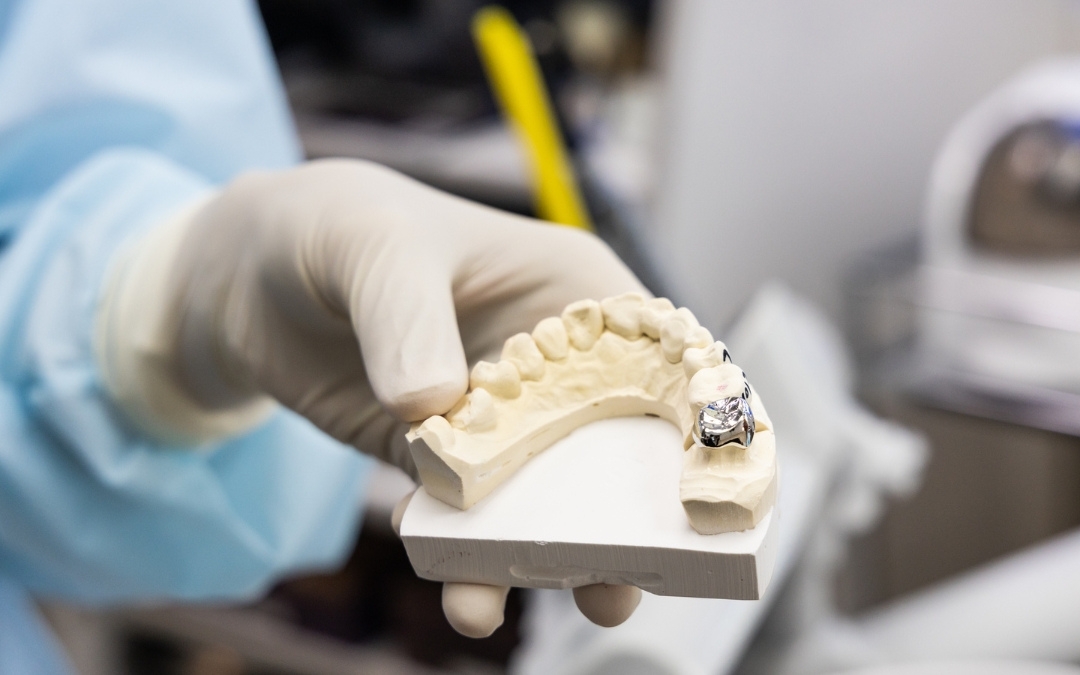
A dental crown is one of the most reliable ways to restore a tooth that’s been weakened by decay, injury, or extensive dental work. It acts like a protective shield, helping you chew comfortably while restoring your smile’s natural appearance. But even the strongest crowns aren’t designed to last forever.
Over time, everyday use, normal wear, and changes in your oral health can affect how well your crown performs. Recognizing the warning signs early can help you avoid more complicated treatments and preserve the natural tooth underneath.
If you’ve had a crown for several years, here’s what you should know about knowing when it’s time for a replacement.
Common Signs Your Dental Crown May Need to Be Replaced
Not every dental crown fails suddenly. In many cases, small changes develop gradually before becoming noticeable problems. Paying attention to these symptoms can help you seek treatment before minor issues become major ones.
Your Tooth Feels Sensitive Again
A crown should protect your tooth from hot, cold, and pressure. If you suddenly notice sensitivity while drinking coffee, eating ice cream, or biting into food, your crown may no longer be sealing the tooth properly.
Sensitivity can occur when the crown loosens or tiny gaps develop around its edges, allowing temperature changes and bacteria to reach the underlying tooth. Having the crown evaluated promptly can help prevent additional damage.
You Notice Cracks or Chips
Although modern dental crowns are made from durable materials, they aren’t indestructible. Years of chewing, accidental impacts, or grinding your teeth can eventually cause visible damage.
Even a small crack may weaken the restoration and allow bacteria to reach the tooth beneath it. Replacing a damaged crown before it completely fails helps protect your long-term oral health.
Your Gums Look Red or Feel Sore
Healthy gums should fit comfortably around your dental crown. If the surrounding tissue becomes swollen, tender, or bleeds while brushing, your crown may no longer fit as it should.
Sometimes inflammation is caused by plaque accumulation, while in other cases it signals that the crown margin has worn down or the tooth underneath has developed a problem. A professional examination can identify the exact cause before it worsens.
Your Crown Doesn’t Look Like It Used To
Dental crowns naturally experience wear after years of daily use. You may notice dullness, discoloration, rough edges, or changes in shape that affect your smile.
While cosmetic changes alone aren’t always a concern, noticeable wear often indicates that the restoration has reached the end of its lifespan. A skilled Webster dentist can determine whether replacing the crown will improve both its appearance and function.
Decay Can Still Develop Under a Crown
Many people assume a crowned tooth can never develop another cavity, but that’s not entirely true.
Although the crown itself cannot decay, bacteria can enter around worn or damaged margins and create cavities in the natural tooth underneath. These problems often develop without obvious symptoms, making routine dental visits especially important.
Your Crown Feels Loose
A properly fitted dental crown should feel exactly like one of your natural teeth. If it moves while chewing, feels unstable, or lifts slightly when you bite down, don’t ignore it.
A loose crown leaves the tooth vulnerable to fractures, infection, and additional decay. Seeking treatment quickly often prevents more extensive restorative work.
Why Dental Crowns Are Such an Important Restoration
Dental crowns do much more than improve the appearance of a damaged tooth. They’re often recommended because they restore strength and help preserve natural teeth that might otherwise require extraction.
Dentists commonly use crowns to:
- Protect teeth with large cavities that cannot support a filling.
- Restore cracked, broken, or heavily worn teeth.
- Strengthen teeth following root canal treatment.
- Support dental bridges by anchoring replacement teeth.
- Improve the appearance of teeth that are misshapen, stained, or uneven.
Because every smile is different, each crown is custom-made to match your bite, tooth shape, and natural tooth color.
Simple Ways to Make Your Dental Crown Last Longer
Although every dental crown has a lifespan, proper care can significantly extend it.
Brush and Floss Every Day
Healthy gums and clean teeth are essential for protecting the tooth beneath your crown. Brush twice daily with fluoride toothpaste and floss carefully around the edges of the restoration to remove plaque.
Watch What You Chew
Chewing ice, popcorn kernels, hard candy, or sticky foods places unnecessary pressure on your crown. Choosing softer foods whenever possible helps prevent cracks and loosening.
Schedule Routine Dental Checkups
Regular dental exams allow your dentist to monitor your crown before small problems become expensive repairs. Professional cleanings also reduce plaque buildup that can contribute to decay around the crown.
Protect Against Teeth Grinding
If you clench or grind your teeth while sleeping, the constant pressure can shorten the life of your crown. Wearing a custom nightguard provides valuable protection for both your natural teeth and your restorations.
Pay Attention to Changes
Small changes often provide the earliest warning that something isn’t right. If your crown begins feeling different, becomes uncomfortable, or develops visible damage, don’t wait until the problem becomes painful.
Don’t Ignore the Signs
A dental crown is designed to protect your tooth for many years, but like any restoration, it eventually reaches the end of its useful life. Recognizing problems such as persistent sensitivity, visible damage, gum irritation, looseness, or decay around the crown allows treatment before more serious complications develop.
Replacing an aging crown at the right time helps preserve your natural tooth, restores comfortable chewing, and keeps your smile looking its best. Staying consistent with daily oral hygiene and routine dental visits remains the best way to maximize the life of your restoration.
If you think your dental crown isn’t performing the way it should, schedule an appointment with Giangreco Family Dental in Webster, NY. Our team will carefully evaluate your restoration and recommend the most appropriate treatment to keep your smile healthy, functional, and confident.
Frequently Asked Questions
How long can a dental crown last?
Most dental crowns last between 10 and 15 years, although many remain in excellent condition for longer with proper care and regular dental visits.
What happens if I ignore a damaged crown?
Ignoring a failing crown can allow bacteria to reach the natural tooth, leading to decay, infection, fractures, or even tooth loss.
Can a crown be replaced without removing the tooth?
Yes. In most cases, only the existing crown is removed while the natural tooth is preserved and prepared for a new custom-made restoration.
Is it normal for a crown to feel sensitive after several years?
No. New sensitivity after years of comfort often indicates that the crown has loosened, worn down, or that decay has developed beneath it.
Can teeth grinding damage my dental crown?
Absolutely. Habitual grinding or clenching places significant force on crowns and may cause them to crack, chip, or loosen over time.
How often should my crown be checked?
Your crown should be examined during every routine dental checkup, typically every six months, to ensure it remains secure and free of underlying problems.
Can I whiten my dental crown?
No. Whitening treatments only work on natural tooth enamel. If your crown no longer matches your teeth after whitening, replacement may be recommended.
When should I call my dentist?
Contact your dentist if your crown feels loose, becomes painful, develops visible damage, causes persistent sensitivity, or if you notice swelling around the affected tooth. Early treatment often prevents more extensive dental procedures.