
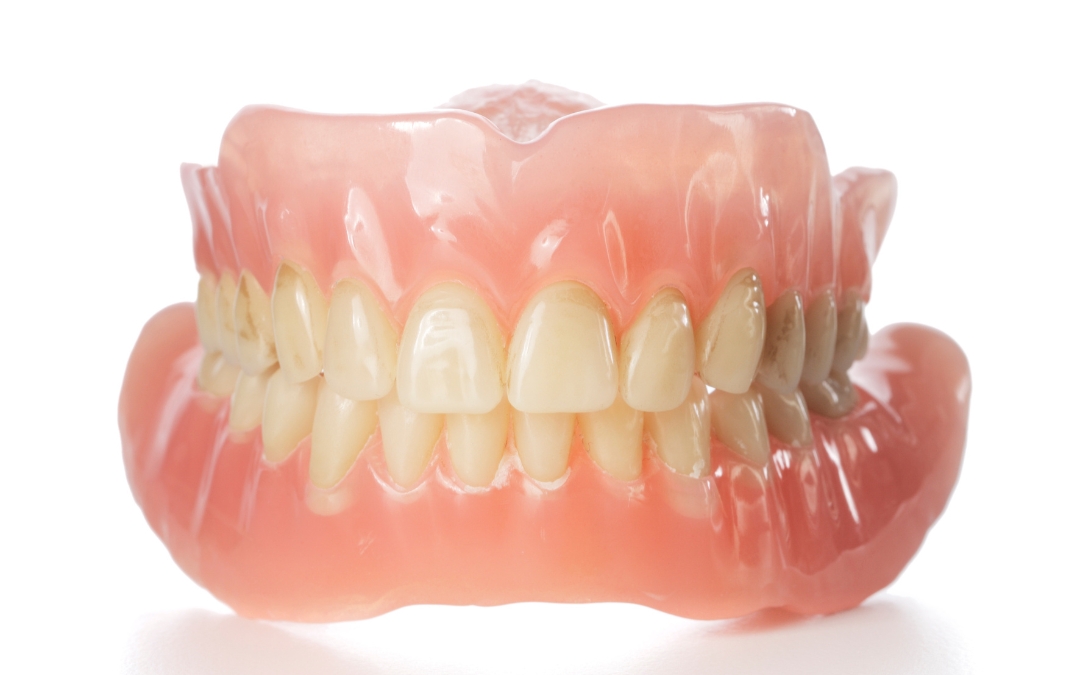
Dentures can make a tremendous difference for people who have lost teeth. They restore your smile, make chewing easier, and help you speak more clearly. Modern dentures are designed to look natural and feel comfortable, which is why many people wear them throughout the day without any problems.
However, dentures should not stay in your mouth all the time. Your gums and oral tissues need time to rest and recover. Wearing dentures from morning until night occasionally is usually fine, but keeping them in continuously for long periods can lead to several oral health problems.
If you rely on dentures every day, understanding these risks can help you keep your mouth healthier and your dentures more comfortable for years to come.
Gum Irritation and Soreness
Your dentures rest directly on your gums, so wearing them for many hours places constant pressure on the soft tissues in your mouth. Even a well-made denture can create friction as you eat, talk, and move your mouth throughout the day.
This constant rubbing may cause tenderness, sore spots, or small ulcers. Many denture wearers notice that their gums feel tired or sensitive by the evening. Removing your dentures for several hours gives the tissues a chance to recover and can prevent ongoing discomfort.
A Higher Chance of Oral Infections
When dentures remain in place for too long, bacteria, plaque, and food particles can become trapped underneath them. The warm, moist space between the denture and the gums creates an ideal environment for microorganisms to grow.
One common problem is denture stomatitis, which causes redness, irritation, and inflammation beneath the denture. In some cases, a yeast infection may develop as well. Taking your dentures out each night and cleaning them thoroughly is one of the best ways to reduce the risk of infection.
Changes in the Jawbone
Natural teeth stimulate the jawbone whenever you chew. After teeth are lost, that stimulation decreases, and the bone slowly begins to shrink. This process is called bone resorption.
Dentures do not provide the same level of stimulation as natural tooth roots. Wearing them continuously will not stop bone loss, and over time the shape of the jaw may change. As this happens, dentures can become less stable and may require adjustments or replacement.
Bad Breath That Won’t Go Away
If dentures are not removed and cleaned regularly, food particles and bacteria can build up on their surface. This buildup often leads to unpleasant mouth odors that brushing alone may not eliminate.
Cleaning your dentures every day and soaking them overnight helps remove odor-causing bacteria. It also allows your mouth to stay fresher and healthier throughout the day.
Dentures May Start to Feel Loose
Continuous wear can affect the way dentures fit against your gums. Swelling, irritation, or gradual changes in the underlying tissues may make them feel unstable.
Loose dentures can slip while eating or speaking, which can be frustrating and embarrassing. They may also create additional friction against the gums, leading to more soreness. If your dentures no longer feel secure, it is important to have them checked by a dental professional.
Dry Mouth Can Become a Problem
Saliva is essential for good oral health. It helps wash away bacteria, neutralize acids, and keep the tissues in your mouth comfortable. Some people notice increased dryness when dentures are worn for extended periods without a break.
A dry mouth can make dentures feel less comfortable and may increase the risk of irritation, infections, and bad breath. Removing your dentures while you sleep allows your mouth to recover naturally and supports healthier saliva flow.
Oral Hygiene Becomes More Difficult
It is much harder to clean your mouth properly when dentures are worn continuously. Plaque and food debris can collect beneath the denture and along the gumline. If you still have some natural teeth, they are also more vulnerable to cavities and gum disease when cleaning is inadequate.
Many people search for a dentist near me after noticing sore gums, persistent bad breath, or discomfort under their dentures. In many cases, these problems are related to wearing dentures too long without proper cleaning and rest periods. Removing your dentures daily allows you to gently brush your gums, tongue, and any remaining teeth, which is an important part of maintaining good oral health.
Sensitivity to Denture Materials
Although uncommon, some people are sensitive to certain materials used in dentures. Wearing dentures continuously can make these reactions more noticeable and may cause redness, itching, burning sensations, or swelling of the oral tissues.
If irritation continues even after cleaning your dentures properly and giving your mouth regular breaks, you should contact your dentist for an evaluation.
Simple Habits That Protect Your Mouth
A few daily habits can help you avoid many of these problems:
- Remove your dentures before going to bed.
- Clean them thoroughly every day with a denture brush and cleanser.
- Rinse your mouth after meals whenever possible.
- Brush your gums, tongue, and any remaining natural teeth daily.
- Keep dentures in water or a soaking solution when they are not being worn.
- Visit your dentist regularly for checkups and denture adjustments.
For patients looking for reliable denture care in Webster, NY, Giangreco Family Dental offers personalized evaluations, denture adjustments, and ongoing support to help keep your dentures comfortable and functioning properly.
Dentures are an excellent solution for replacing missing teeth, but they work best when they are used correctly. Giving your gums time to rest, maintaining good oral hygiene, and having your dentures checked regularly can help you avoid unnecessary discomfort and protect your long-term oral health.
If your dentures feel uncomfortable, loose, or are causing irritation, schedule an appointment with Giangreco Family Dental in Webster, NY, today to keep your smile healthy, comfortable, and functioning at its best.
Frequently Asked Questions
How long should I wear my dentures each day?
Most dentists recommend wearing dentures during the day and removing them for at least 6–8 hours, usually while sleeping, so your gums can rest.
Can sleeping with dentures cause problems?
Yes. Sleeping with dentures may increase the risk of gum irritation, fungal infections, inflammation, and bacterial buildup.
Why do my gums hurt after wearing dentures all day?
Soreness is often caused by constant pressure and friction between the dentures and the gum tissue. Removing them for several hours can help relieve the irritation.
How often should dentures be cleaned?
Dentures should be cleaned every day, ideally after meals and before soaking them overnight.
Is bad breath common with dentures?
It can be if dentures are not cleaned properly. Bacteria and food particles trapped on the dentures are a common cause of persistent bad breath.
What should I do if my dentures become loose?
Loose dentures should be evaluated by a dentist. They may need an adjustment, relining, or replacement to fit comfortably and function properly.
Do I still need to clean my mouth if I have full dentures?
Yes. You should gently brush your gums, tongue, and the roof of your mouth every day to remove bacteria and keep the tissues healthy.
When should I contact a dentist about denture problems?
You should contact your dentist if you notice persistent soreness, swelling, redness, loose dentures, difficulty chewing, cracks in the denture, or unusual mouth odors that do not improve with cleaning.