
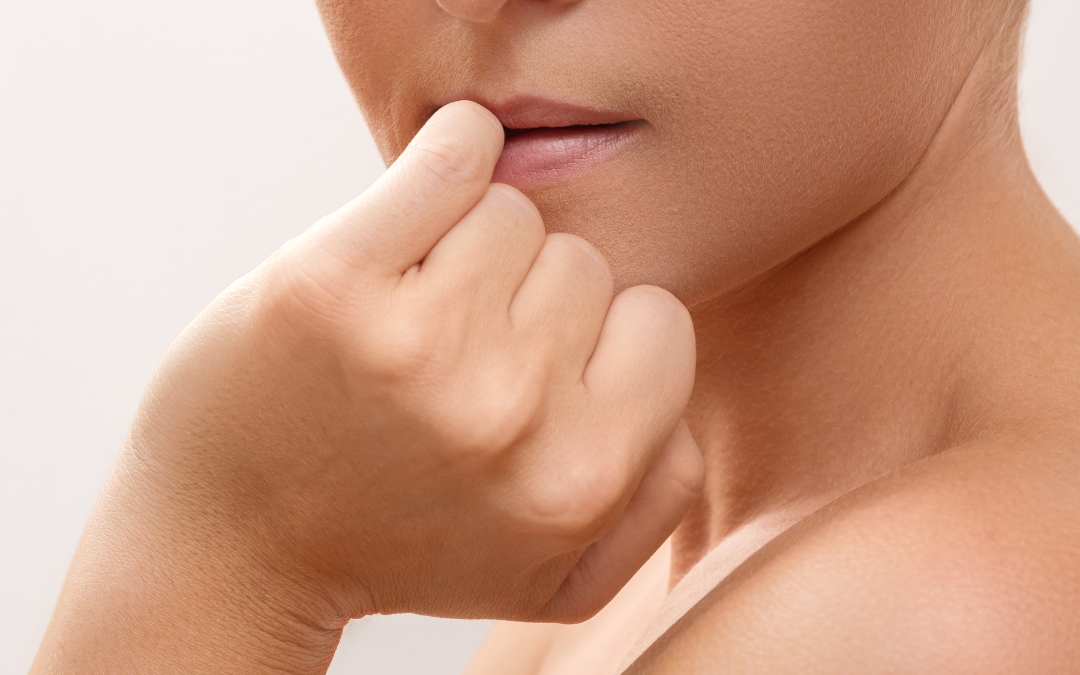
You might not even notice when it happens. Maybe it’s during a stressful call, while scrolling on your phone, or when you’re just lost in thought. Nail biting often becomes automatic—and because of that, it’s easy to assume it’s harmless.
But over time, small habits can have a real impact on your body—especially your teeth.
Many people don’t connect everyday oral habits with long-term dental concerns. When it comes to nail biting teeth damage, the effects can go beyond your nails. It can slowly affect your enamel, your bite, and even the way your jaw feels at the end of the day.
What Nail Biting Really Does to Your Teeth
Your teeth are built to handle chewing food—not biting down on something as tough and repetitive as fingernails. When that pressure happens again and again, your teeth start to show it.
Small Chips That Add Up
One of the first signs is often tiny fractures or chipped teeth. These might not be obvious right away, but over time, they can change how your teeth look and feel. Even small chips can weaken the overall structure of the tooth.
Enamel Wear and Sensitivity
Your enamel protects your teeth, but it isn’t indestructible. Nail biting can gradually wear it down, exposing the inner layers of the tooth. That’s when you may start noticing sensitivity to cold drinks or hot foods.
Bacteria Transfer
Your fingers come into contact with countless surfaces throughout the day. When you bite your nails, you’re introducing bacteria into your mouth, which can affect your gums and increase the risk of irritation or infection.
How Nail Biting Affects Your Jaw
The impact isn’t limited to your teeth. Nail biting also puts stress on your jaw in ways that aren’t always obvious at first.
Ongoing Jaw Stress
Every time you bite your nails, your jaw is forced into a position it’s not meant to hold for long. Over time, this can lead to jaw stress or fatigue, especially if the habit is frequent.
Subtle Changes in Your Bite
Your teeth are meant to come together evenly. Repeated pressure in certain areas can slowly shift that balance. This may lead to minor alignment issues that can affect how comfortable your bite feels.
Discomfort Around the Jaw Joint
Some people begin to notice tightness, clicking, or soreness near the jaw joint. While nail biting isn’t the only cause, it can definitely contribute to these symptoms when combined with other habits.
Why It’s So Hard to Stop
If you’ve tried to quit nail biting before, you already know—it’s not always easy.
Stress and Emotional Triggers
For many people, nail biting is a way to cope with stress or anxiety. It becomes a quick, unconscious response to certain feelings.
Habit Without Awareness
Sometimes, you don’t even realize you’re doing it. It can happen while watching TV, working, or even reading.
Long-Term Routine
If the habit started early in life, it may feel like second nature by adulthood, making habit control more challenging without a clear plan.
How Common Is Nail Biting?
Nail biting is more common than most people think. According to the American Dental Association, habits like this are seen in both children and adults, with a significant percentage continuing into later years.
While not everyone experiences serious damage, repeated stress on the teeth increases the chances of enamel wear, small fractures, and jaw-related discomfort over time.
Simple Ways to Break the Habit
You don’t have to quit overnight. Small, consistent changes can make a difference.
Notice When It Happens
Start by paying attention to your triggers. Are you biting your nails during stressful moments? When you’re bored? Awareness is the first step toward change.
Keep Your Hands Occupied
Holding something in your hands—like a pen or a stress ball—can help redirect the urge.
Keep Nails Short and Clean
Well-maintained nails are less tempting to bite. Regular trimming can help reduce the habit naturally.
Manage Stress in Healthier Ways
Since many oral habits are stress-related, finding simple ways to relax—like taking short breaks or practicing breathing exercises—can help reduce the urge.
When It’s Time to See a Dentist
If nail biting has been part of your routine for a while, it’s a good idea to have your teeth checked.
A dentist can look for early signs of wear, minor chips, or bite changes that you might not notice on your own. In Webster, NY, where busy routines can make small habits easy to overlook, regular checkups help catch these issues early.
If you’ve been feeling sensitivity, noticing rough edges, or experiencing jaw discomfort, it may be time to schedule an appointment and talk through what’s going on with your teeth.
Long-Term Effects to Keep in Mind
Ignoring nail biting over time can lead to:
- Visible tooth damage
- Increased sensitivity
- Jaw discomfort or fatigue
- Bite alignment changes
- More complex dental treatments later on
The earlier you address it, the easier it is to prevent these outcomes.
Frequently Asked Questions
Can nail biting cause permanent damage?
Yes, repeated pressure can lead to enamel wear and chips that may need dental repair if not addressed.
Does nail biting affect jaw alignment?
It can contribute to minor alignment changes over time due to uneven pressure on the teeth and jaw.
Is nail biting worse than teeth grinding?
They affect the mouth differently. Nail biting often causes localized damage, while grinding can impact multiple teeth and the jaw more broadly.
How can I stop nail biting quickly?
There’s no instant fix, but awareness, habit control strategies, and small changes can help you reduce it over time.
Should I see a dentist if I bite my nails?
Yes, especially if you notice any discomfort, sensitivity, or visible changes in your teeth.
Final Thoughts
Nail biting might feel like a small, everyday habit—but it can slowly affect your teeth and jaw in ways that are easy to overlook. The good news is that once you’re aware of it, you can start making small changes that protect your smile.
If something doesn’t feel quite right—whether it’s sensitivity, uneven edges, or jaw discomfort—it’s worth paying attention to. A simple conversation with a dentist can help you understand what’s happening and what steps to take next, so you can feel more confident about your oral health moving forward.