
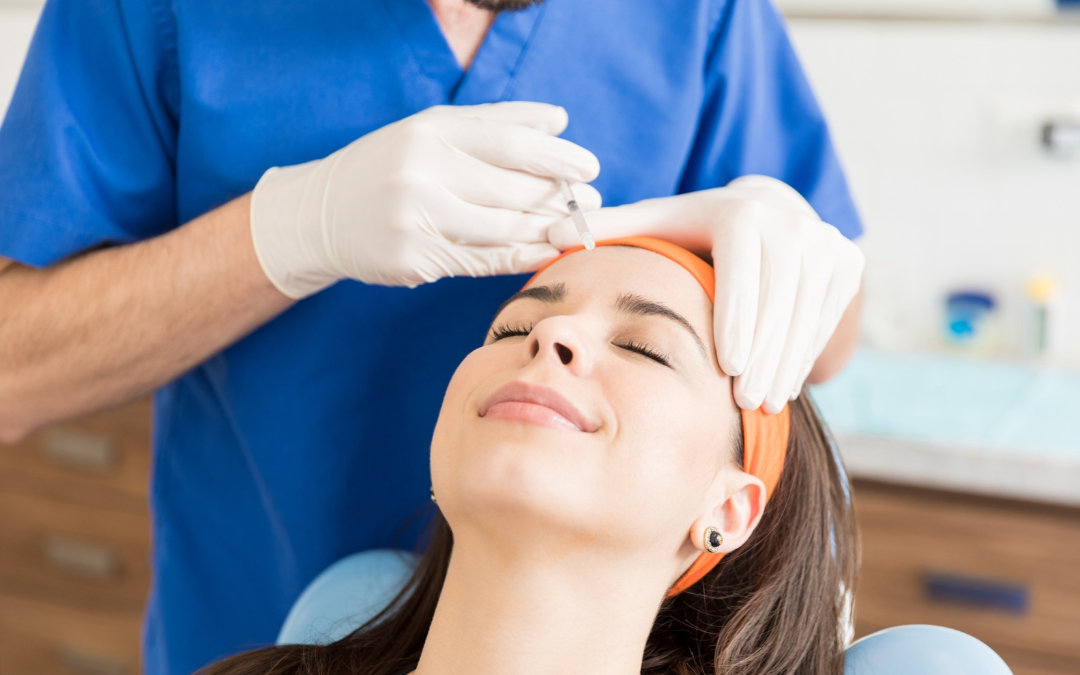
Smiling is one of the most natural ways to express happiness, but sometimes the lines around your mouth can make you feel more conscious of your appearance. You may notice them in photographs, when talking, or even when your face is relaxed. If these changes have caught your attention, you might be wondering whether Botox for smile lines could help soften their appearance.
Botox has become a familiar option for people who want to address certain facial wrinkles without undergoing surgery. However, not every line around the mouth responds to treatment in the same way. Some develop because of repeated muscle movements, while others result from changes in skin elasticity, volume, and collagen as we age.
Interestingly, cosmetic dentistry and Botox treatment can sometimes complement each other as part of a broader approach to facial aesthetics. For patients considering treatment in New York area, understanding what Botox can and cannot accomplish is a useful starting point. A cosmetic dentist in Webster can discuss your concerns, evaluate whether treatment may be appropriate, and explain realistic expectations.
Let’s look at how Botox works, which smile lines it may improve, and what you should know before considering treatment at Giangreco Family Dental.
What Are Smile Lines, and Why Do They Develop?
Smile lines is a general term people use for wrinkles and folds that become noticeable around the mouth when smiling or talking. However, not all these lines have the same cause.
Two common types are:
- Nasolabial folds: These lines extend from the sides of the nose toward the corners of the mouth. They often become more noticeable as facial volume and skin elasticity change.
- Perioral lines: These are small vertical wrinkles around the lips, sometimes called lip lines or smoker’s lines. They can become more visible with repeated lip movements and changes in skin structure.
As we get older, the skin gradually produces less collagen and elastin. These proteins help maintain firmness and flexibility. Sun exposure, smoking, genetics, and repeated facial expressions can also influence how wrinkles develop.
Understanding the difference matters because Botox does not treat every type of wrinkle equally.
Can Botox Actually Reduce Smile Lines?
Botox works by temporarily reducing muscle activity. It blocks certain nerve signals that tell targeted muscles to contract. When those muscles relax, the skin above them experiences less repetitive folding, which can make certain expression-related wrinkles appear softer.
This explains how Botox reduces smile lines in areas where muscle movement contributes to their appearance.
However, there is an important distinction. Botox is generally more effective for wrinkles caused by repeated muscle movement than for deep folds caused by lost facial volume or sagging skin.
For example, small vertical lines around the lips may respond to carefully selected injections. Deeper nasolabial folds, on the other hand, may need a different approach. Botox alone usually cannot restore the volume that has gradually disappeared with age.
Which Wrinkles Around the Mouth Can Botox Address?
Not every wrinkle needs the same treatment. A proper assessment helps determine whether relaxing a particular muscle is likely to improve the appearance of the area.
Fine Lines Around the Lips
Small vertical lines above or below the lips can become noticeable over time. They may develop from repeated lip movements, sun exposure, smoking, and natural changes in collagen.
In carefully selected cases, a trained provider may use small amounts of botulinum toxin to soften these lines. Treatment around the mouth requires particular precision because the muscles in this area help with speaking, drinking, eating, and smiling.
Lines That Become More Noticeable When Smiling
Some facial lines appear mainly when you smile or move your mouth. Because muscle activity contributes to these wrinkles, Botox may help reduce their appearance in suitable cases.
However, deeper folds that remain visible when your face is relaxed may not respond as well.
Deep Nasolabial Folds
The folds extending from your nose toward the corners of your mouth are often associated with changes in facial volume and skin support.
Botox does not directly replace lost volume. Depending on the cause, a provider may discuss other cosmetic options rather than recommending injections into the muscles around the mouth.
What Happens During a Botox Consultation?
If you’re considering a non-surgical smile line treatment, the consultation is an important part of the process. It gives the provider an opportunity to understand your concerns and determine whether Botox is suitable.
At Giangreco Family Dental, Botox treatments are included among the practice’s cosmetic dentistry services. The practice also describes Botox as an option for addressing TMJ-related muscle tension and supporting facial aesthetics.
During your consultation, you can expect a discussion about:
– Your treatment goals: Explain which lines bother you and whether they appear when smiling or remain visible at rest.
– Your facial movements: The provider may assess how your mouth and surrounding muscles move during different expressions.
– Your dental and medical history: Share relevant health conditions, medications, previous injections, and any history of swallowing or neuromuscular problems.
– Suitable treatment options: Discuss whether Botox is appropriate or whether another cosmetic approach may better address your concerns.
It is also worth asking about the provider’s qualifications, experience with injections around the mouth, and the risks associated with treatment in that area.
How Long Do Botox Results Last?
Botox does not produce permanent changes. Its effects gradually wear off as nerve signals to the treated muscles return.
According to the American Academy of Dermatology, results from botulinum toxin treatments generally last around three to four months, although some people experience longer-lasting effects.
Results usually begin to appear within three to seven days. The exact timeline depends on the treatment area, dosage, individual muscle activity, and personal response.
For a practical perspective, this means Botox is an ongoing cosmetic commitment rather than a one-time solution. You should discuss the expected maintenance schedule and cost before starting treatment.
Are There Risks to Botox Around the Mouth?
Botox is a medical treatment, even when performed for cosmetic reasons. The mouth requires special care because its muscles are involved in everyday activities.
Possible temporary effects include redness, tenderness, swelling, bruising, or discomfort around the injection sites.
When injections affect muscles responsible for lip movement, patients may also experience an uneven smile, difficulty using a straw, changes in speech, or problems keeping liquids inside the mouth.
The FDA also warns that botulinum toxin effects can occasionally spread beyond the injection area. Serious symptoms such as difficulty swallowing or breathing require immediate medical attention.
The FDA-approved cosmetic indications for BOTOX Cosmetic include forehead lines, frown lines, crow’s feet, and platysma bands. Treatment of wrinkles around the mouth is not among its listed cosmetic indications, so patients should ask whether their proposed treatment is an off-label use.
You can review the FDA prescribing information for BOTOX Cosmetic before your consultation.
Can Botox Be Combined With Other Cosmetic Dental Treatments?
Yes, depending on your goals, different cosmetic treatments may address different aspects of your appearance.
For example, someone concerned about both facial wrinkles and tooth discoloration may benefit from discussing Botox and professional teeth whitening as separate parts of a broader cosmetic plan.
Giangreco Family Dental also offers cosmetic services such as teeth whitening, cosmetic bonding, and laser gum reshaping. Each treatment addresses a different concern, so the right combination depends on your needs.
Final Thoughts
Smile lines are a natural part of facial expression, but if they have become a cosmetic concern, there are options worth discussing. Botox may soften certain wrinkles caused by muscle movement, although deeper folds often require a different approach.
The most important step is understanding what is causing your particular lines before choosing a treatment. A personalized consultation can help you avoid unrealistic expectations and select an option that supports natural-looking results.
If you’re considering Botox for smile lines, Giangreco Family Dental in Webster, NY, can help you discuss available cosmetic treatment options and determine whether Botox may fit your goals. Contact the practice to schedule an appointment and discuss your options.
Frequently Asked Questions
Does Botox get rid of smile lines completely?
No. Botox may soften certain expression-related wrinkles, but it generally cannot eliminate deep folds caused by volume loss or changes in skin structure.
Is Botox better than fillers for smile lines?
Neither option is automatically better. Botox relaxes targeted muscles, while dermal fillers add volume beneath the skin. The appropriate choice depends on the type and location of the wrinkles.
Can Botox make my smile look unnatural?
It can happen if the wrong muscles are treated or too much product is used. Careful assessment, appropriate dosing, and knowledge of facial anatomy help reduce this risk.
How soon will I notice a difference?
Some patients begin noticing changes within three to seven days. Results develop gradually rather than appearing immediately after treatment.
Can I get Botox if I have TMJ discomfort?
Botox may help some patients with muscle-related jaw tension. Giangreco Family Dental also lists TMJ-related muscle relief among its Botox treatment benefits. However, treatment suitability depends on an individual evaluation.